


Why Japanese Sushi Rice Deserves More Respect Than the Fish

Updated: Dec 20, 2025
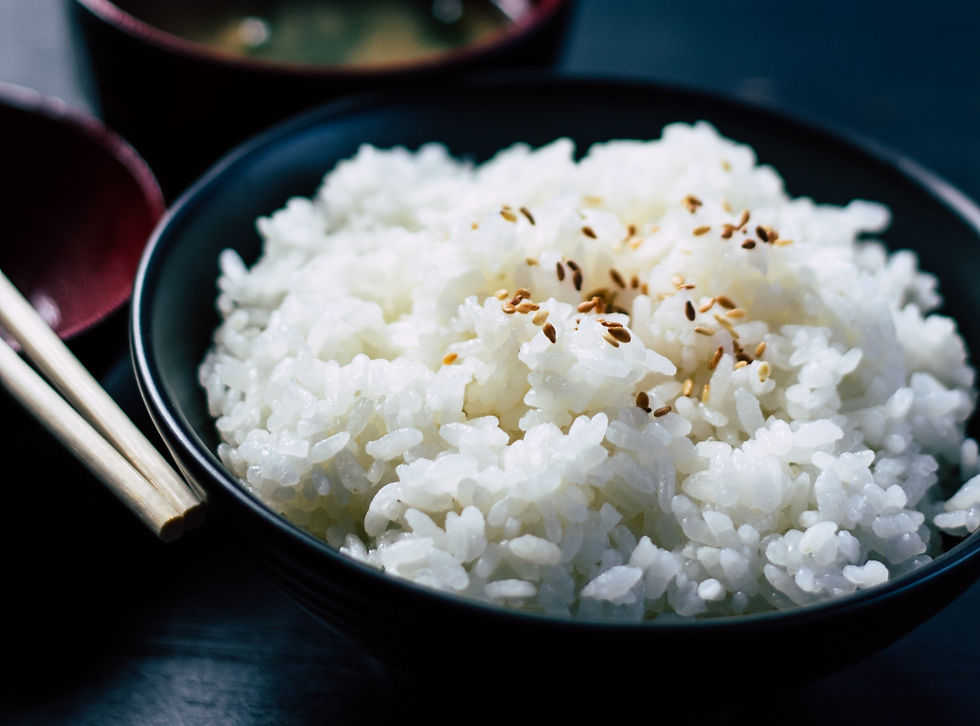
At Tomono Sushi Party, we love fresh fish and colourful rolls. But in Japan, sushi begins with rice. Not just any rice - Japanese sushi rice, carefully chosen, cooked, and seasoned. It's quiet, but essential. Like the base note in a song.
Why Does Sushi Rice Matter More Than the Fish?
Sushi is 90% rice, yet most people focus entirely on the fish. In Japan, we say the rice makes the sushi, and the fish is simply the accent. Get the rice wrong and even the finest tuna cannot save your sushi.
Master sushi chefs in Japan spend years learning only rice preparation before they're allowed to touch fish. This isn't tradition for tradition's sake. The rice is the foundation that holds everything together, carries the flavour, and creates the texture that makes sushi enjoyable to eat.
What Type of Rice Do You Need for Sushi?
Japanese sushi rice is short-grain rice with a naturally sticky texture. You cannot use regular long-grain rice for sushi because it's too dry and won't hold its shape when rolled or pressed.
The most common varieties are Koshihikari, Sasanishiki, and Hitomebore. These are specifically grown to have the right balance of stickiness, chewiness, and flavour absorption for sushi making.
What Makes Japanese Sushi Rice Different From Normal Rice?
Sushi rice has three essential qualities that regular rice lacks. First, it's sticky enough to hold shape but not so sticky it feels heavy or gluey. Second, it has a soft texture with a slight chew that's essential for proper sushi.
Third, when seasoned with vinegar, sugar, and salt, Japanese sushi rice balances the fish flavour rather than competing with it. The rice becomes a canvas, not the painting itself.
What Are the Best Sushi Rice Varieties to Buy?
Koshihikari is the most popular sushi rice variety in Japan, known for its perfect stickiness and slightly sweet flavour. Sasanishiki offers a lighter, less sticky texture that some sushi chefs prefer for delicate fish. Hitomebore from Miyagi prefecture provides excellent flavour absorption, making it ideal for vinegar seasoning. At Tomono Sushi Party, I use Koshihikari because it's reliable and forgiving for beginners learning to make sushi.
Where Can You Buy Japanese Sushi Rice in the UK?
Look for short-grain rice from Japan or grown in California with Japanese methods. Here are the best places I recommend for buying authentic sushi rice:
Japan Centre - London and online. Multiple varieties of Japanese rice including Koshihikari. I shop here regularly.
Japanese Rice Shop - Online only. Specialises in Hitomebore rice from Miyagi prefecture.
Oriental Mart - Online shop offering Yumenishiki and other short-grain rice varieties.
Rice Wine Shop - Soho, London. Small shop with authentic Japanese ingredients. I go here a lot!
TK Trading - London and online. Huge variety of Japanese food including multiple rice types.
All of these stockists understand what makes good sushi rice and source authentic Japanese varieties or properly cultivated California short-grain rice.
How Many Times Should You Rinse Sushi Rice?
Rinse sushi rice only two or three times, not until the water runs completely clear. This is different from what many Western recipes suggest, but it's how we do it in Japan.
Over-rinsing removes too much of the rice's natural starch and flavour. You want to wash away excess surface starch, but keep enough for proper texture and taste. Gentle rinsing, not aggressive washing.
What Temperature Should Sushi Rice Be Served At?
Sushi rice should be slightly warm to the touch, never cold from the refrigerator. Cold temperature hardens the rice and destroys the texture that makes sushi enjoyable to eat.
In Japan, we serve sushi rice at close to body temperature. This warmth helps the vinegar seasoning release its aroma and allows the rice to stay soft and pleasantly sticky against the fish.
Why Do Sushi Chefs Train for Years on Rice Alone?
In Japan, many sushi chefs dedicate years to mastering rice preparation before they're allowed to touch fish. The rice is considered the foundation of sushi, more important than the toppings themselves.
Learning to wash it properly, cook it to the right texture, season it with precise amounts of vinegar, and maintain the correct temperature requires practice and feeling. At Tomono Sushi Party, we follow this spirit even for casual workshops because sushi is not just decoration, it's connection.
Can You Use California-Grown Rice for Sushi?
California-grown short-grain rice can work for sushi if it's been cultivated using Japanese methods. Many Japanese rice farmers relocated to California and grow varieties like Koshihikari using traditional techniques.
Look for labels that specify "short-grain" and mention Japanese varieties by name. Avoid any rice labelled "long-grain" regardless of where it's grown, as the texture and stickiness will be completely wrong for sushi.
What Happens If You Use Long-Grain Rice for Sushi?
Long-grain rice won't work for sushi because it cooks too dry and the grains separate rather than clinging together. When you try to roll it in nori or shape it for nigiri, it simply falls apart.
The texture is also completely wrong. Long-grain rice is fluffy and separate, whilst sushi needs rice that's cohesive and slightly sticky. You'll end up frustrated and disappointed, so it's worth investing in proper short-grain Japanese rice from the start.
Where Can You Learn More About Sushi Rice Preparation?
Join a Tomono Sushi Party public sushi making workshop in Buckinghamshire, Berkshire, Hertfordshire, or Oxfordshire to learn hands-on rice preparation techniques. I teach you how to feel when the rice is ready, not just follow a timer.
You can also book a private sushi party where we dive deeper into the art of Japanese sushi rice, covering washing technique, cooking methods, seasoning ratios, and temperature control. Visit Tomono Sushi Party to book your session and learn why every grain matters.


